
Make your own power.
Pay less for the rest.
Plain-English guides to plug-in solar, home batteries and a lower electricity bill, with the savings maths shown so you can check it.
START WITH PLUG-IN SOLARStart with these guides

Is Plug-In Solar Legal Where You Live?
Which states allow balcony solar without utility paperwork, the wattage limits, and what renters should check first.
READ THE GUIDE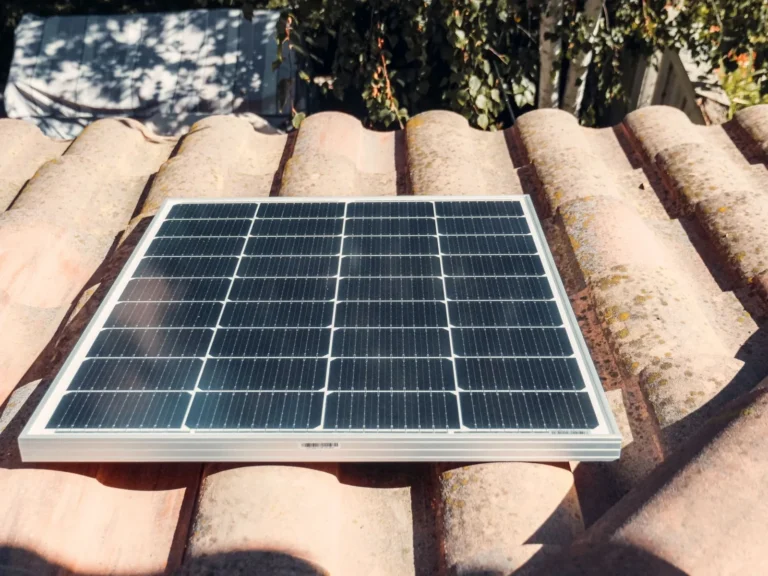
How Much Does a Balcony Solar Kit Save?
Yearly output for 400, 800 and 1,200 watt kits by sunshine, and how to turn it into dollars on your own bill.
READ THE GUIDE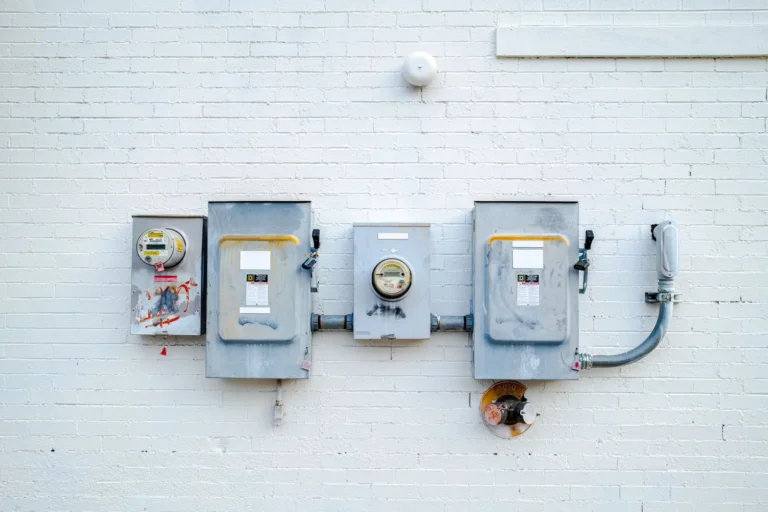
What Uses the Most Electricity at Home?
Watts and monthly running costs for the fridge, AC, dryer and more, so you know where savings really come from.
READ THE GUIDEHow Wattfolk works
Numbers you can check
Every savings estimate shows its assumptions: panel watts, sun hours, losses and your price per kWh. Swap in your own and redo the maths.
Safe and legal first
We check certifications, state plug-in solar laws and manufacturer limits, and say plainly when a job needs a licensed electrician.
No paid placements
Brands can't buy a spot in our guides. If a smaller kit or a cheaper fix does the job, we say so.
Latest Buying Guides & Tips
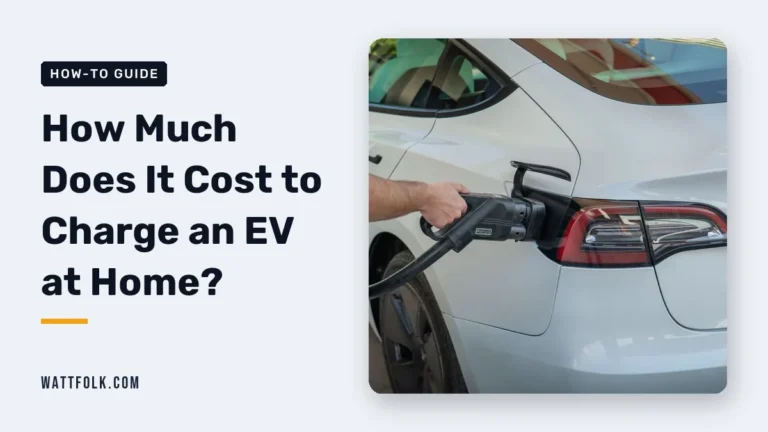
How Much Does It Cost to Charge an EV at Home?

Can Renters Install Balcony Solar? What You Need to Know
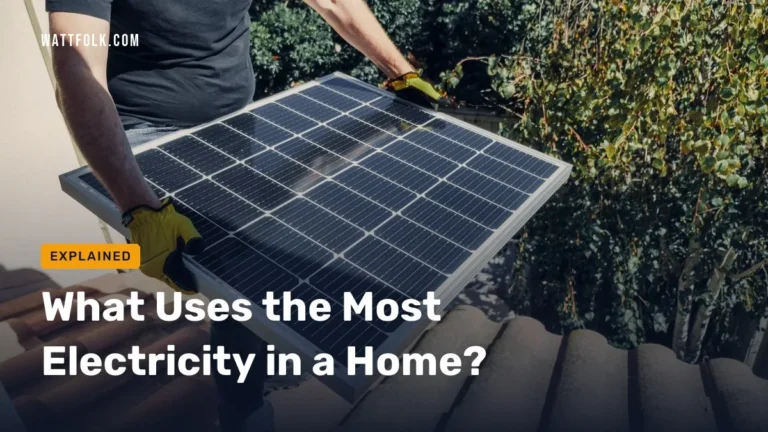
What Uses the Most Electricity in a Home?

How Much Does a Balcony Solar Kit Save Per Year?

Is Plug-In Solar Legal in My State? What to Check First

Plug-In Solar: The Complete Guide
How balcony solar works, what an 800 watt kit really saves, where it is legal, how to stay safe and how to choose a kit for your home.
READ THE GUIDESize a plug-in kit to what your home uses during the day, not to the biggest kit you can buy. Most homes run 150 to 400 watts of always-on load, and power you use yourself is worth far more than power you send back to the grid.